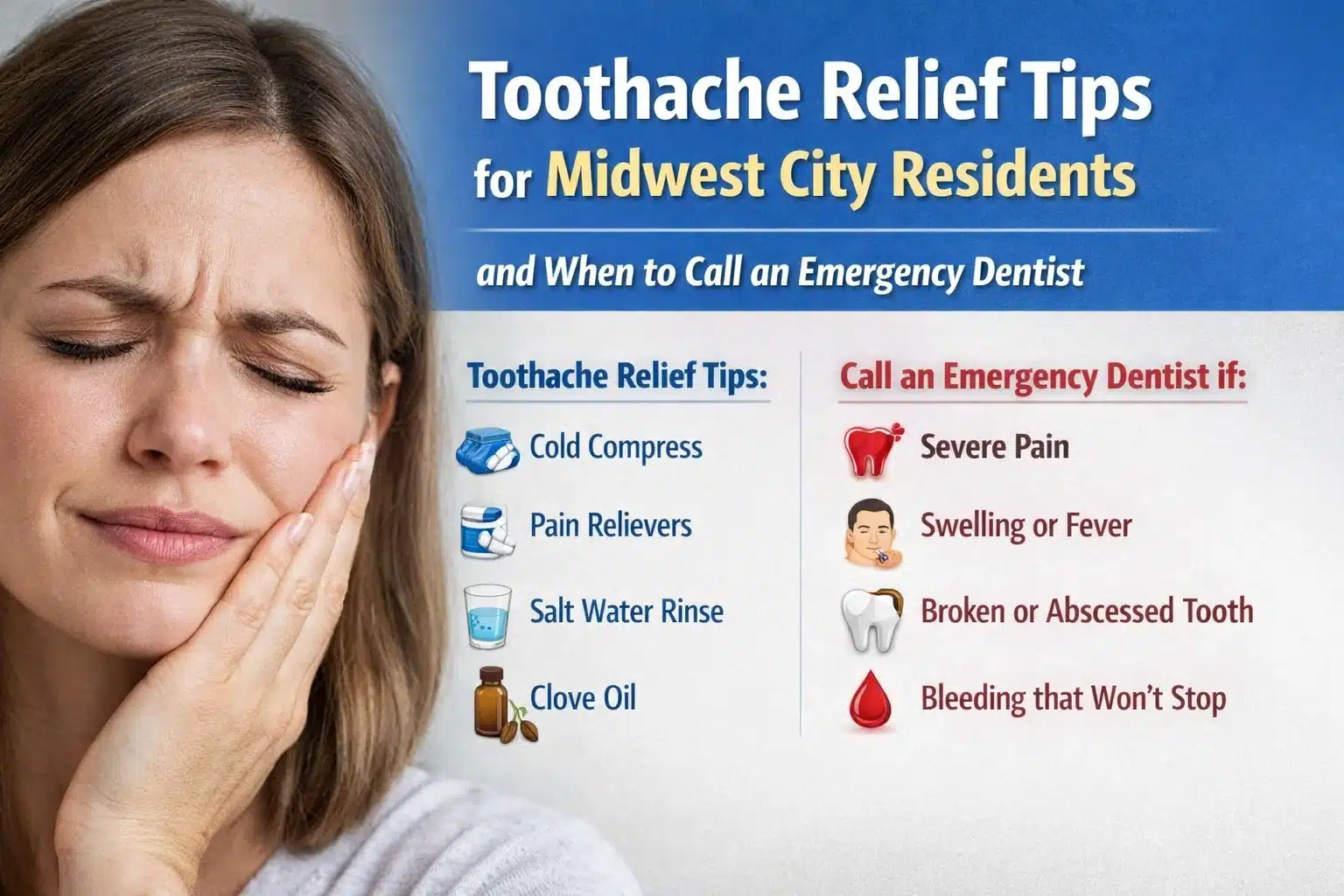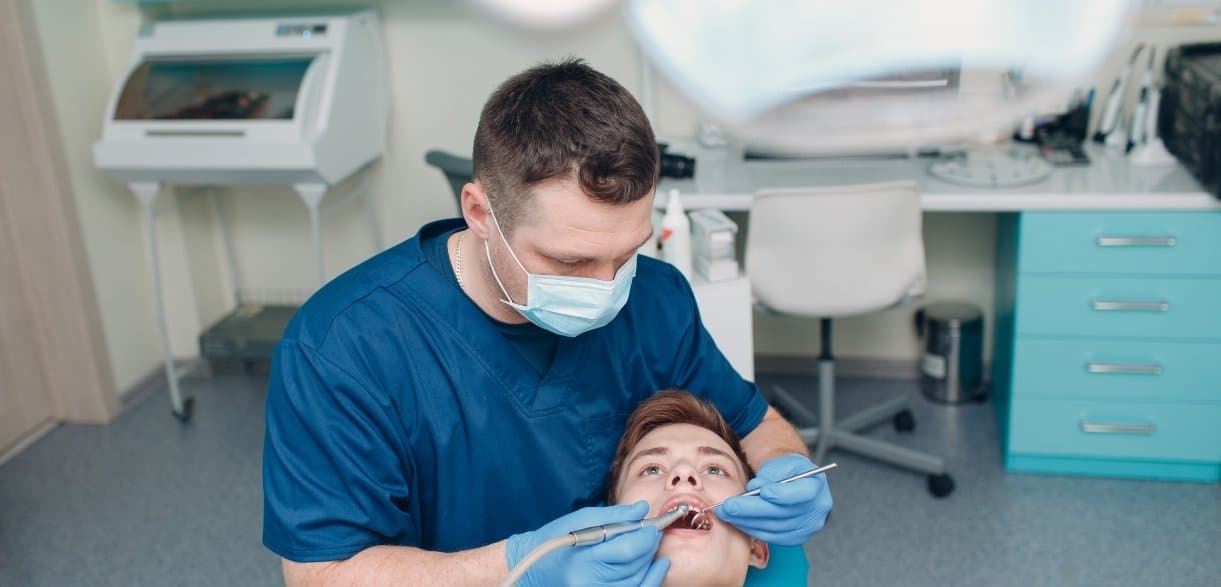



Let’s be honest – nobody ever plans for a dental emergency. They always seem to pop up at the worst possible moment, like when you’re halfway across the country on vacation or heading into a major work meeting out of town. One minute you’re fine, the next you’re dealing with a cracked tooth or a bleeding gum, and you have no idea where to turn. It’s unsettling, especially when you’re far from home. But don’t worry – here’s what you can do if dental trauma strikes during your trip, and how to find quick help if you’re in or near Midwest City.
So, what counts as dental trauma? It’s any injury to your teeth or gums. That can mean anything from a knocked-out tooth to a painful crack, a chipped edge, or even a cut inside your mouth. The usual suspects? Slips and falls, sports mishaps, car accidents, or just biting down on something way too hard. The most common injuries look like this:
- A tooth that’s been knocked out
- Cracked or broken teeth
- Chipped teeth
- Cuts or tears on your gums, lips, or tongue
These things can happen anywhere, at any time. The silver lining? Acting fast really does help. Quick action often means less long-term damage and a better shot at saving your tooth.
So, what should you do right after dental trauma hits? Here’s the drill:
If you knock out a tooth, pick it up by the crown (that’s the part you chew with—not the root). Rinse it gently with water, but don’t scrub away any tissue. If you can, pop the tooth back into its socket. If it doesn’t work, put it in milk or a saline solution to keep it moist. Now’s not the time to wait—call an emergency dentist in Midwest City right away. The clock’s ticking, and getting to a dentist within an hour gives you the best shot at saving the tooth.
For a cracked or chipped tooth, rinse your mouth with warm water to clean the area. Use a cold compress on your face to help reduce swelling and alleviate some of the pain. Try not to chew on that side until you get checked out.
If you’ve cut your gums, lips, or tongue, grab a clean cloth or some gauze and press gently to stop the bleeding. Cold compresses are also helpful for both pain and swelling.
Let’s talk about getting real help. Handling the emergency yourself is important, but seeing a dentist as soon as you can is what really matters. If you’re in Midwest City or nearby, knowing where to go for urgent dental care is vital. Luckily, Midwest City homes have Midwest Smiles, which handles emergencies like this. We know how to keep you comfortable and get you the best results. Here’s what to look for when you need an emergency dentist:
- Practices that are open 24/7 or offer after-hours care – because accidents don’t wait for business hours.
- Dentists with experience in urgent care – people who see emergencies all the time are quicker and know what to do.
- Offices that offer more advanced treatments, such as implants or root canals, are available in case you require more comprehensive fixes.
Of course, it’s better if you can avoid dental trauma in the first place. You can’t prevent every accident, but taking a few simple steps can significantly reduce your risk of injury. If you’re planning on sports, hiking, or any other activity, wear a mouthguard. Watch out for hard foods that could crack your teeth. And don’t let your oral hygiene slide just because you’re on the road. Brushing and flossing still matter.
Dental trauma can rattle anyone, but knowing what to do and where to go makes all the difference. If you’re traveling and something happens, stay calm, follow these steps, and contact our emergency dentist as soon as possible. So, you don’t have to let a dental emergency ruin your day.
FAQs
1. What should I do if I lose a tooth while traveling?
If you lose a tooth, try to reinsert it into the socket. If not, keep it moist by placing it in milk or a saline solution and visit a dentist within an hour.
2. How do I know if my cracked tooth needs immediate attention?
If you’re in pain or have visible cracks, it’s best to see a dentist immediately to prevent further damage or infection.
3. Can I still travel if I experience dental trauma?
Yes, but it’s important to see a dentist as soon as possible to avoid complications and ensure proper care.
4. How long does it take to recover from dental trauma?
Recovery time depends on the severity of the injury. Simple chips may take a few days to heal, while more serious injuries may take weeks.