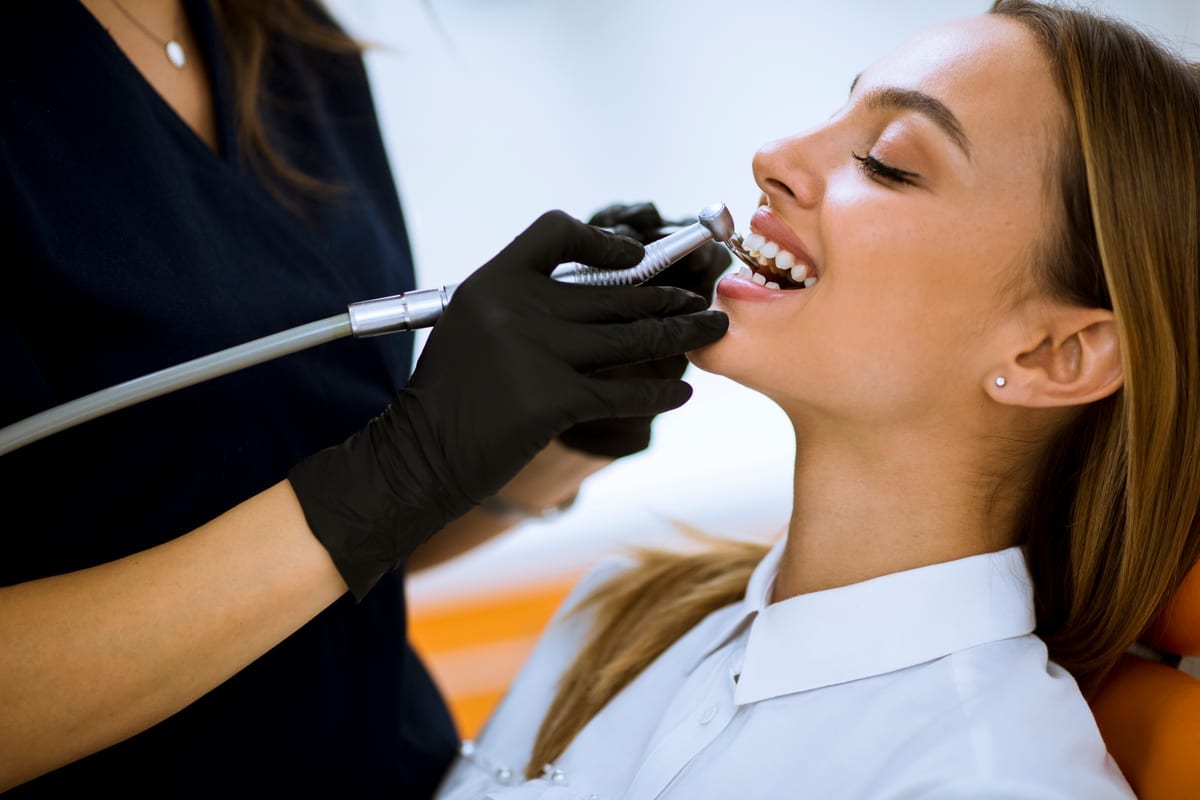



You just finished your professional cleaning — great work taking care of your smile! But what happens in the next few hours matters more than most people realize. Knowing what to do and avoid after your professional cleaning in Midwest City can protect your results, reduce sensitivity, and keep your teeth healthier longer. At Midwest Smiles, Dr. Cliff Ferguson and our team want every patient to leave with a clean mouth and a clear plan.
Why the Hours After Your Cleaning Are So Important
During a professional cleaning, our hygienist removes plaque, tartar, and surface stains from your teeth. This process temporarily opens up the tiny pores in your tooth enamel. That means your teeth are more vulnerable to staining and sensitivity right after your appointment.
Think of it like freshly washed fabric — it absorbs color more easily before it dries. Your teeth behave similarly after a thorough cleaning. Taking a few simple precautions in the first 24 to 48 hours locks in your results and keeps your smile bright.
Patients who follow aftercare guidance consistently report less sensitivity and longer-lasting whiteness between visits. Small choices make a big difference for your long-term oral health.
What to Avoid After Your Professional Cleaning in Midwest City
Some foods and habits can undo your cleaning results quickly. Avoiding these items for at least 24 hours gives your enamel time to remineralize and stabilize. Here is what Dr. Ferguson recommends skipping right after your appointment.
- Dark-colored beverages — Coffee, red wine, tea, and dark sodas stain freshly cleaned enamel fast
- Highly pigmented foods — Berries, tomato sauce, curry, and beets can discolor your teeth
- Acidic foods and drinks — Citrus, vinegar-based dressings, and sports drinks weaken softened enamel
- Tobacco products — Smoking or chewing tobacco stains teeth and slows healing of gum tissue
- Extremely hot or cold foods — Temperature extremes can trigger sensitivity in freshly cleaned teeth
- Alcohol-based mouthwash — These can irritate gum tissue that may feel tender after scaling
Sticking to lighter, neutral foods in the hours after your cleaning is the easiest way to protect your freshly polished smile. If you do have coffee or tea, consider using a straw to minimize direct contact with your teeth.
What You Should Do After Your Cleaning
Aftercare is not just about avoiding things. There are several positive steps you can take to extend your results and support your gum health. These habits are simple and fit into any daily routine.
- Drink plenty of water — Hydration rinses away bacteria and food particles between meals
- Brush gently with a soft-bristle toothbrush — Be especially gentle if your gums feel tender
- Floss that evening — Cleaning between teeth removes anything your hygienist could not reach
- Use a fluoride toothpaste — Fluoride strengthens enamel and speeds up remineralization
- Apply a sensitive toothpaste if needed — Products with potassium nitrate can calm post-cleaning sensitivity
- Avoid hard snacking — Give your gums a gentle day after any scaling or deeper cleaning
These habits reinforce the work done during your cleaning. They also build the foundation for better oral health between your next scheduled visit.
Managing Sensitivity After Your Appointment
It is completely normal to feel some tooth or gum sensitivity after a cleaning. This is especially true if you had significant buildup removed or received a deep cleaning. The sensitivity usually fades within 24 to 72 hours.
Using a desensitizing toothpaste for a few days can help significantly. Avoid biting into very hard foods like ice or hard candy during this window. If sensitivity feels sharp or lasts longer than three days, call our office so Dr. Ferguson can take a look.
Over-the-counter pain relievers like ibuprofen can ease gum tenderness after more intensive cleanings. Always follow the label instructions and check with your doctor if you have any medical concerns.
How Aftercare Connects to Your Overall Dental Routine in Midwest City
Professional cleanings are most effective when they are part of a consistent oral care routine. Dr. Ferguson recommends most patients schedule cleanings every six months. This timeline prevents heavy buildup from returning and keeps gum disease risk low.
If you have children, building good aftercare habits early sets them up for a lifetime of healthy smiles. Our team provides Family Dentistry Midwest City services designed for patients of every age. We love helping the whole family understand how to care for their teeth between visits.
If you have questions about how to budget for regular cleanings and preventive care, our team is happy to walk you through options. We also offer information about Dental Insurance Midwest City to help you understand how to make the most of your benefits. Our goal is always to make quality care accessible for every Midwest City family.
Consistency is the key to lasting results. A great cleaning paired with smart aftercare habits creates a cycle of better oral health over time.
When to Call Midwest Smiles After Your Cleaning
Most patients feel completely normal within a day or two after their cleaning. However, there are some situations where you should contact our office sooner. Do not hesitate to reach out if you experience any of the following.
Persistent bleeding gums lasting more than two days is worth a call. Severe pain that does not respond to over-the-counter medication is also a reason to check in. Any swelling that worsens rather than improves deserves prompt attention from Dr. Ferguson and our team.
We are always here to answer questions and make sure your recovery is comfortable. Midwest Smiles is proud to serve patients across Midwest City, OK with compassionate, personalized dental care every step of the way.
Your professional cleaning is an investment in your health. Protect it with smart aftercare, and your smile will reward you for months to come. Book Now to schedule your appointment with our team.
Frequently Asked Questions
How long should I wait to eat after a professional cleaning?
We recommend waiting at least 30 minutes before eating. For the first 24 hours, stick to lighter, non-pigmented foods. Avoid anything very hot, very cold, or highly acidic during this window to protect freshly cleaned enamel.
Is it normal for my gums to bleed after a cleaning?
Mild bleeding is common, especially if your gums were inflamed before the cleaning. This should stop within 24 hours. If bleeding continues beyond two days or worsens, contact Midwest Smiles so Dr. Ferguson can evaluate your gum health.
Can I drink coffee after my professional cleaning?
It is best to avoid coffee for at least 24 hours after your cleaning. Freshly cleaned enamel is more porous and absorbs stains more easily. If you must have coffee, use a straw and rinse with water immediately after.
How often should I schedule professional cleanings in Midwest City?
Most adults benefit from a professional cleaning every six months. Patients with gum disease or a history of heavy buildup may need more frequent visits. Dr. Ferguson will recommend the schedule that best suits your individual needs.
What if my teeth feel more sensitive after the cleaning than before?
Some post-cleaning sensitivity is completely normal and typically fades within one to three days. Using a sensitive toothpaste and avoiding temperature extremes helps. If sensitivity is severe or lasts longer than three days, call our office for guidance.