


If you are missing one or more teeth, a dental bridge can restore your smile and confidence. Understanding what happens during your dental bridge procedure — a step-by-step guide specific to Midwest City patients — helps you feel prepared and at ease. At Midwest Smiles, Dr. Cliff Ferguson and his team prioritize your comfort throughout every stage. Knowing what to expect makes the entire experience far less intimidating.
What Is a Dental Bridge and Why Might You Need One in Midwest City?
A dental bridge literally bridges the gap left by a missing tooth or teeth. It consists of one or more artificial teeth anchored by crowns placed on the neighboring natural teeth. Missing teeth can cause shifting, bite problems, and changes to your facial structure over time. A bridge addresses all of these concerns effectively.
Patients in Midwest City choose bridges for many reasons. Some want a fixed, non-removable tooth replacement option. Others need a solution that restores their ability to chew comfortably. Dr. Ferguson evaluates each patient individually to confirm a bridge is the right fit. During your consultation, he will review your oral health, take X-rays, and discuss your goals openly.
Bridges are a popular choice for patients who already visit us for Family Dentistry Midwest City services. Catching missing teeth early gives us more options for treatment. Acting promptly also protects the surrounding teeth from unnecessary stress.
Step-by-Step: What Happens During Your Dental Bridge Procedure
The bridge process typically takes place over two or three appointments. Each visit has a clear purpose, and Dr. Ferguson explains every step before it begins. Here is a breakdown of what you can expect at Midwest Smiles.
- Consultation and treatment planning: Dr. Ferguson examines your teeth, gums, and bone health. He takes digital X-rays and discusses the best bridge design for your situation.
- Tooth preparation: The abutment teeth on either side of the gap are gently reshaped. This creates space for the crowns that will anchor your bridge. Local anesthetic keeps you completely comfortable during this step.
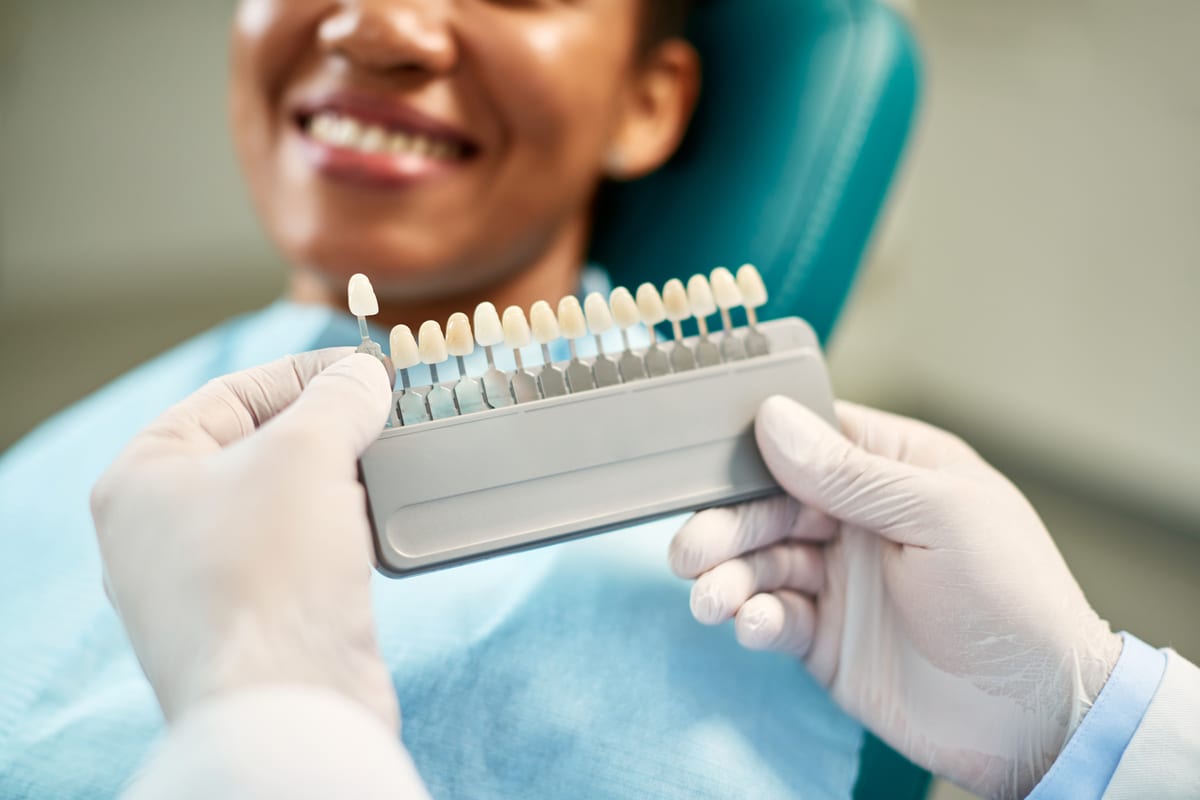
- Impressions: Our team takes precise impressions or digital scans of your teeth. These go to a dental lab where your custom bridge is crafted to match your natural tooth color and shape.
- Temporary bridge placement: A temporary bridge protects your prepared teeth while the permanent one is being made. You wear this for about two weeks.
- Permanent bridge fitting: Once your bridge arrives, Dr. Ferguson checks the fit, bite, and appearance carefully. He makes any needed adjustments before cementing it permanently.
- Final bonding: The bridge is bonded securely into place. Dr. Ferguson confirms your bite feels natural and comfortable before you leave.
Most patients find the process straightforward and manageable. The local anesthetic used during tooth preparation ensures you feel minimal discomfort. Dr. Ferguson checks in with you regularly throughout each appointment. His team is always ready to answer questions or adjust the pace if needed.
What Does the Procedure Feel Like? Comfort at Every Stage
Many patients feel nervous about dental procedures, and that is completely understandable. At Midwest Smiles, we take a patient-first approach to every visit. Dr. Ferguson uses gentle techniques and explains each step as he works. You are never left wondering what comes next.
During tooth preparation, local anesthetic numbs the area thoroughly. Most patients report feeling pressure but no pain. If at any point you feel discomfort, simply raise your hand and we will pause immediately. Your feedback guides the entire appointment.
After the preparation visit, some mild sensitivity is normal for a day or two. Over-the-counter pain relief typically manages this well. The temporary bridge protects the prepared teeth in the meantime. By the time your permanent bridge is placed, most patients feel very little sensation at all.
Our team understands that dental anxiety is real. We use a calm, conversational approach to help you relax. Many patients tell us the anticipation was far worse than the actual experience. That reassurance matters to us deeply.
Benefits of Choosing a Dental Bridge at Midwest Smiles
A dental bridge offers both functional and aesthetic advantages. Understanding these benefits helps you make a confident, informed decision. Here is a summary of what makes bridges such a reliable tooth replacement option.
- Restores your ability to chew and speak naturally
- Prevents neighboring teeth from shifting into the gap
- Matches your natural tooth color for a seamless appearance
- Feels and functions like a real tooth once placed
- Requires no removal for cleaning — care it like natural teeth
- Protects the overall structure and alignment of your bite
- Completed in just two to three appointments at our Midwest City office
Dr. Ferguson crafts each bridge to complement your unique smile. The lab uses high-quality materials that are durable and natural-looking. With proper care, a dental bridge can last ten to fifteen years or longer. Routine checkups at Midwest Smiles help ensure your bridge stays in excellent condition.
If cost is a concern, our team is happy to discuss your options. We also encourage patients to review their benefits through Dental Insurance Midwest City resources available on our website. Understanding your coverage helps you plan ahead with confidence.
Caring for Your Bridge After the Procedure
Proper aftercare keeps your bridge healthy and extends its lifespan significantly. The good news is that caring for a bridge is straightforward. Dr. Ferguson provides personalized aftercare instructions at every stage of your treatment.
- Brush twice daily using a soft-bristle toothbrush
- Use floss threaders or interdental brushes to clean under the bridge
- Avoid chewing on very hard foods like ice or hard candies
- Schedule regular cleanings and checkups at Midwest Smiles every six months
- Wear a nightguard if you grind your teeth during sleep
Keeping your gums healthy is especially important when you have a bridge. Gum disease can weaken the supporting teeth over time. Our team monitors the area around your bridge at every checkup. Early detection of any issues protects your investment long-term.
If you ever notice looseness, sensitivity, or discomfort around your bridge, contact Midwest Smiles right away. We offer prompt appointments to address any concerns before they become bigger problems. Dr. Ferguson and his team are always here to support your long-term oral health.
Ready to Restore Your Smile in Midwest City?
Knowing what to expect during each step of the procedure makes a dental bridge far less intimidating. Dr. Cliff Ferguson and the Midwest Smiles team guide every patient with warmth, patience, and expertise. Whether you are just starting to explore your options or are ready to move forward, we are here for you every step of the way. Book Now to schedule your appointment with our team.
Frequently Asked Questions
How long does a dental bridge procedure take in total?
Most dental bridge procedures at Midwest Smiles are completed over two to three appointments spanning about two to three weeks. The first visit involves tooth preparation and impressions, which typically takes sixty to ninety minutes. The second visit places your permanent bridge and usually takes about an hour. Dr. Ferguson works efficiently while making sure you stay comfortable throughout.
Is getting a dental bridge painful?
The procedure itself is not painful because Dr. Ferguson uses local anesthetic to numb the area before tooth preparation begins. You may feel some pressure during preparation, but pain is not typical. After the appointment, mild sensitivity can occur for a day or two. Over-the-counter pain relievers and a temporary bridge help manage any discomfort during the healing period.
How do I know if I am a good candidate for a dental bridge?
Good candidates for a dental bridge have one or more missing teeth with healthy natural teeth on either side of the gap. Strong gums and adequate bone structure are also important. Dr. Ferguson evaluates your overall oral health during a comprehensive consultation before recommending a bridge. He may suggest alternative treatments if a bridge is not the best fit for your situation.
How long does a dental bridge last?
With proper care, a dental bridge can last ten to fifteen years or even longer. Regular brushing, flossing around the bridge, and routine dental checkups all contribute to its longevity. Avoiding habits like chewing on hard objects or grinding your teeth also helps. Dr. Ferguson monitors your bridge at every visit to catch any issues early.
What happens if I do not replace a missing tooth?
Leaving a gap from a missing tooth can cause neighboring teeth to shift out of alignment over time. This shifting can affect your bite, make cleaning harder, and increase your risk of decay and gum disease. Bone loss in the jaw can also occur in the area of the missing tooth. Replacing the tooth promptly with a bridge helps prevent these complications and protects your overall oral health.