

Many patients in Midwest City, OK ask one simple question before committing to veneers: are they actually worth it? When you break down the per-year costs revealed across a veneer’s full lifespan, the answer often surprises people. Veneers can cost several thousand dollars upfront. But spread over 10 to 20 years, the math looks very different. Dr. Cliff Ferguson at Midwest Smiles helps patients understand this investment clearly before making any decisions.
What Drives the Cost of Dental Veneers in Midwest City?
Veneer pricing is not one-size-fits-all. Several factors influence what you will pay per tooth. Understanding these factors helps you plan with confidence.
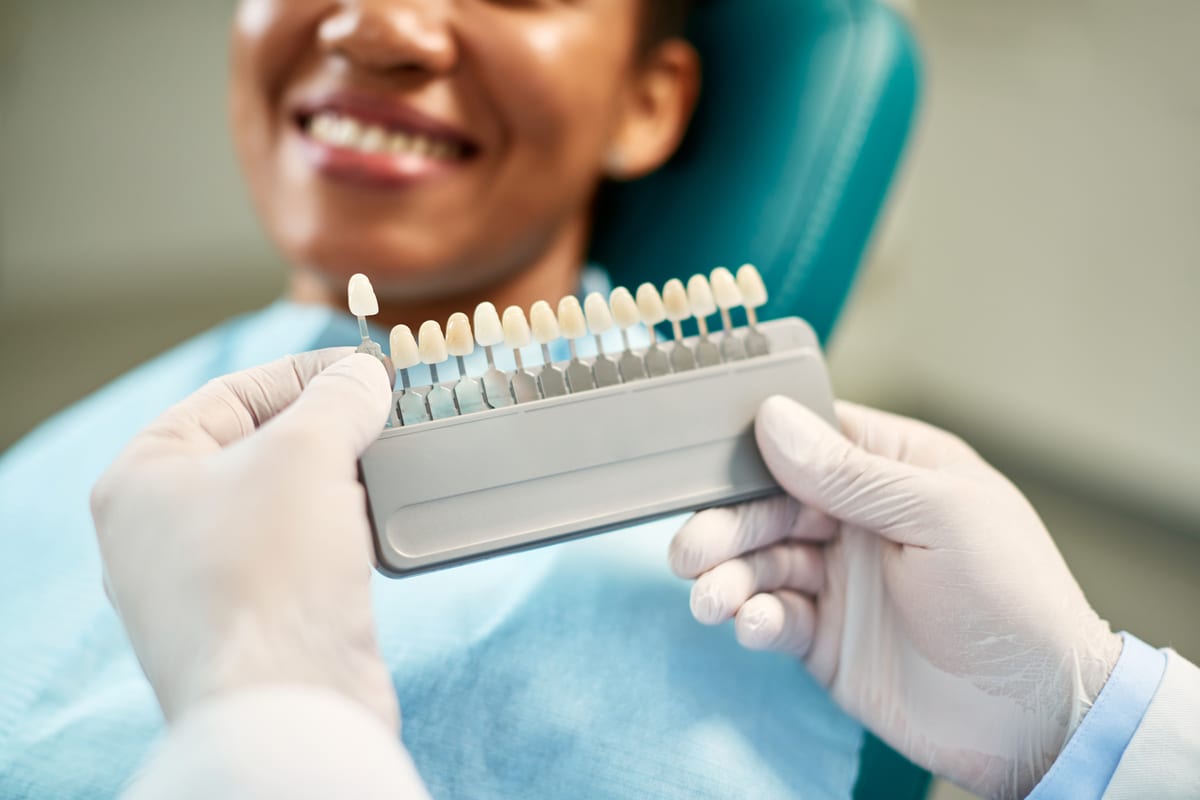
- Material type: Porcelain veneers cost more than composite resin but last significantly longer.
- Number of teeth: Most patients treat six to eight front teeth, which multiplies the base cost.
- Preparatory work: Some patients need tooth reshaping, gum contouring, or bite correction first.
- Lab fees: Custom porcelain shells are crafted in a dental lab, adding to the overall price.
- Geographic location: Dental costs in Midwest City, OK are generally lower than in major metro areas.
On average, porcelain veneers range from $900 to $2,500 per tooth. Composite veneers typically run $250 to $1,500 per tooth. These numbers vary by practice and individual case complexity.
Patients who receive care within a Family Dentistry Midwest City practice benefit from coordinated treatment planning. This approach can reduce the need for costly repeat procedures down the road.
How Long Do Veneers Actually Last? The Lifespan Breakdown
Longevity is the key variable in any per-year cost calculation. Porcelain veneers typically last 10 to 20 years with proper care. Some patients keep theirs for 25 years or more. Composite veneers last roughly 5 to 7 years before needing replacement or repair.
Several habits affect how long veneers hold up:
- Grinding or clenching teeth at night accelerates wear significantly.
- Biting hard objects like ice or fingernails can chip porcelain.
- Poor oral hygiene weakens the bonding cement over time.
- Regular dental check-ups catch early issues before they become costly repairs.
Patients who follow good oral hygiene routines and wear a nightguard when needed see the best outcomes. Veneers are durable, but they are not indestructible. Treating them well directly extends their useful life.
Are Dental Veneers Worth the Investment? Running the Per-Year Numbers
Here is where the value of veneers becomes clear. Let us use real numbers to make the comparison simple. Suppose you pay $1,500 per tooth for porcelain veneers across eight teeth. Your total upfront investment is $12,000.
Now divide that by the lifespan:
- Over 10 years, that equals $1,200 per year.
- Over 15 years, it drops to $800 per year.
- Over 20 years, you are paying just $600 per year.
That is less than $2 per day for a complete smile transformation. When patients in Midwest City frame it that way, the investment feels far more manageable. The per-year cost of composite veneers may look lower upfront, but shorter longevity often means paying again sooner.
Patients eligible for Dental Insurance Midwest City benefits may find that some preparatory procedures reduce overall out-of-pocket costs. Always review your plan details before treatment begins.
Veneers vs. Alternative Cosmetic Options: Where Does the Value Land?
To judge veneer value fairly, compare them to alternatives. Teeth whitening, for example, costs far less upfront. But results typically fade within one to three years and require repeated treatment. Over a decade, whitening costs can add up significantly.
Dental bonding is another option. It costs less than veneers per tooth and requires no enamel removal. However, bonding is more prone to staining and chipping. Most bonding treatments need touch-ups every three to five years.
Dental crowns cover the entire tooth and can last 15 years or more. They are appropriate when a tooth is severely damaged or decayed. For healthy teeth with cosmetic concerns only, veneers preserve more natural tooth structure than crowns do.
The bottom line is this: veneers offer a long-lasting, low-maintenance cosmetic solution. For patients who want durable results without repeated treatments, they often deliver the strongest long-term value per dollar spent.
How Dr. Ferguson Helps Midwest City Patients Make Smart Veneer Decisions
At Midwest Smiles, Dr. Cliff Ferguson takes a straightforward educational approach with every cosmetic consultation. He walks each patient through the realistic timeline, expected costs, and proper maintenance before any work begins. This helps patients avoid surprises and set accurate expectations from day one.
Not every patient is a good veneer candidate immediately. Some need prior treatment for gum disease, decay, or bite issues. Dr. Ferguson identifies these factors early so the treatment plan is complete and realistic. A well-planned case leads to better long-term outcomes.
Midwest City patients also benefit from a comfortable, community-focused environment at Midwest Smiles. The team answers every cost question directly and without pressure. The goal is always informed decision-making, not a rushed commitment.
If you are ready to find out whether veneers make sense for your smile and your budget, a consultation is the best first step. Book Now to schedule your appointment with our team.
Frequently Asked Questions
How much do dental veneers cost per tooth in Midwest City, OK?
Porcelain veneers in Midwest City typically range from $900 to $2,500 per tooth. Composite veneers generally cost between $250 and $1,500 per tooth. The exact price depends on material choice, the number of teeth treated, and any preparatory dental work required. Dr. Ferguson provides a personalized cost estimate during your consultation.
How long do porcelain veneers last compared to composite veneers?
Porcelain veneers typically last 10 to 20 years with proper care, and some last even longer. Composite veneers have a shorter lifespan of roughly 5 to 7 years before needing repair or replacement. Porcelain costs more upfront but often provides better long-term value due to its durability and stain resistance.
Are dental veneers a permanent procedure?
Veneers are considered a long-term but not truly permanent procedure. A thin layer of enamel is usually removed during preparation, which means the teeth will always need some form of restoration afterward. However, veneers themselves can eventually be replaced when they reach the end of their lifespan.
What can I do to make my veneers last longer?
Maintaining good oral hygiene is the most important step. Brush twice daily, floss regularly, and attend routine dental check-ups. Avoid biting hard objects and ask Dr. Ferguson about a nightguard if you grind your teeth. These simple habits can extend veneer life well beyond the average estimate.
Do veneers require special care or maintenance?
Veneers do not require dramatically different care than natural teeth. Standard brushing and flossing habits apply. It is wise to avoid extremely hard or sticky foods that could damage the porcelain surface. Non-abrasive toothpaste is recommended to preserve the surface finish over time. Regular professional cleanings keep the surrounding gum tissue healthy as well.