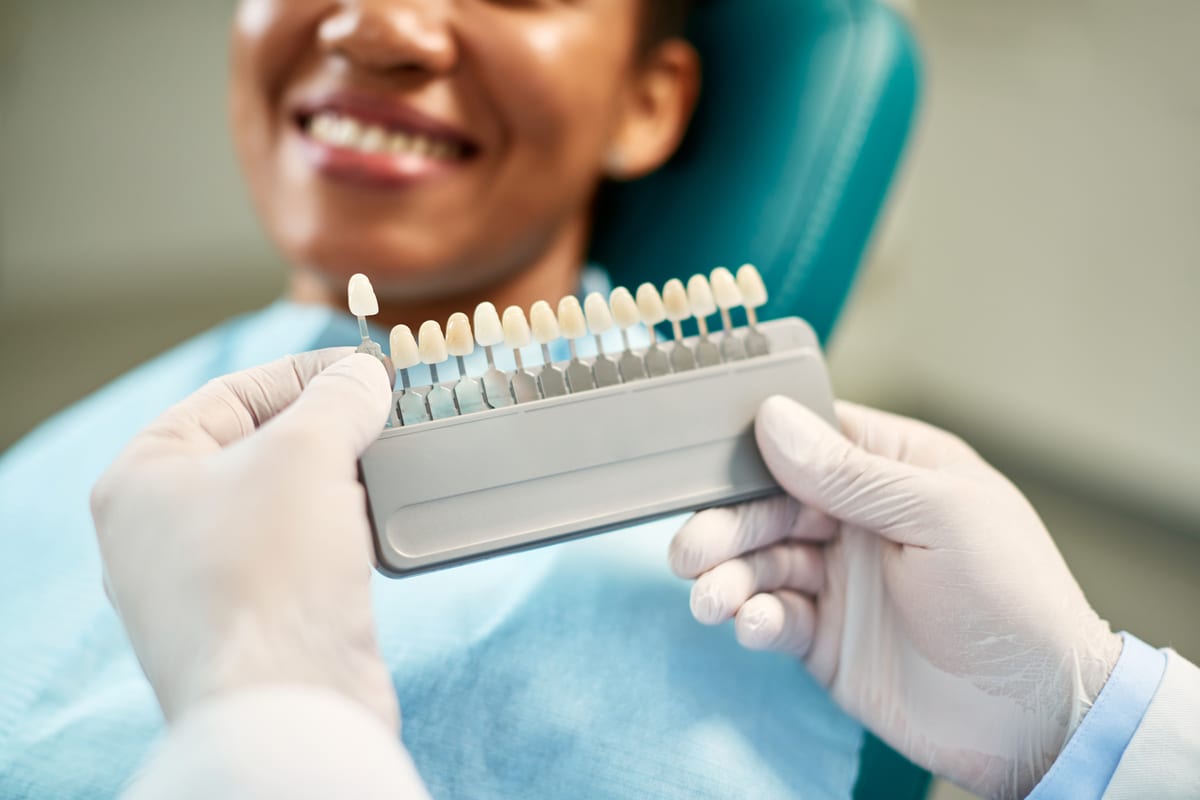


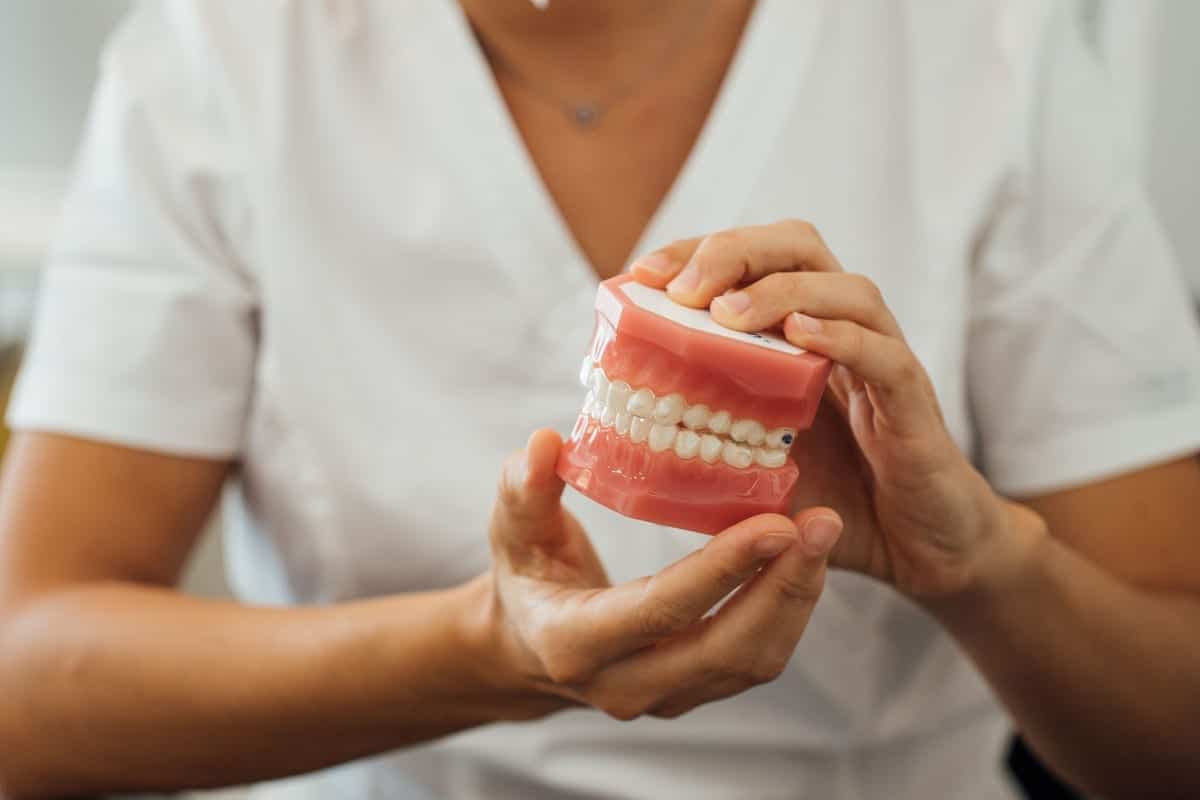
Getting new dentures is a major milestone. Your new dentures diet — what you can eat week one through month three in Spencer — matters more than most patients expect. The foods you choose early on directly affect comfort, healing, and how quickly you adapt. Dr. Cliff Ferguson at Midwest Smiles helps patients in Spencer, OK build confidence with their new smile, starting with smart eating habits from day one.
Week One: Soft Foods Are Your Best Friend
Your mouth needs time to adjust in the first week. Gum tissue may feel tender, and your dentures will feel unfamiliar. Sticking to very soft foods protects your comfort and keeps irritation low.
Good choices during week one include:
- Smooth yogurt and pudding
- Mashed potatoes with gravy
- Soft scrambled eggs
- Applesauce and pureed fruit
- Warm broth-based soups
- Soft-cooked oatmeal
Avoid anything crunchy, hard, or sticky. Do not attempt raw vegetables, crusty bread, or chewy meats yet. Your gums need this gentle introduction period to avoid soreness and sores.
Eat slowly and use both sides of your mouth equally. This habit helps distribute pressure evenly across your dentures. It also reduces the risk of your dentures shifting while you chew.
Weeks Two and Three: Expanding Your New Dentures Diet in Spencer
By week two, most patients notice meaningful improvement. Tenderness often decreases, and your mouth begins adjusting to the fit of your dentures. You can start introducing slightly more textured foods.
Try adding these foods gradually:
- Soft fish like tilapia or cod
- Ripe bananas and soft melon
- Well-cooked pasta or rice
- Soft-cooked vegetables like zucchini and carrots
- Cottage cheese and soft cheeses
- Ground meat in sauces
Cut everything into small, bite-sized pieces. Chewing large pieces puts uneven pressure on your dentures. Small bites give you better control and reduce slipping.
Continue avoiding sticky foods like caramel or gummy candies. Hard items like nuts and raw apples still pose a challenge at this stage. Patience now pays off with greater comfort later.
Month One Through Month Three: Building Back to a Normal Diet
Between weeks four and twelve, most patients adapt significantly. Your mouth muscles learn how to work with your dentures. Chewing becomes more natural and efficient during this period.
You can slowly reintroduce foods like:
- Tender cuts of chicken or pork
- Soft bread without hard crusts
- Cooked leafy greens
- Scrambled or poached eggs prepared firmer
- Soft fresh fruits like peaches or grapes cut in half
Always cut meat across the grain into thin slices. Chew on both sides of your mouth simultaneously to prevent tipping. This technique becomes second nature with practice.
By month three, many patients enjoy a wide variety of foods comfortably. Some patients at our practice serving Spencer, OK report eating nearly everything they enjoyed before dentures. Progress varies by individual, so listen to your body throughout this process.
Foods to Avoid Long-Term With Dentures
Even after full adaptation, some foods remain problematic. These items can damage your dentures or create persistent discomfort. Knowing this list protects your investment in your smile.
Permanently limit or avoid:
- Hard candies and lollipops
- Whole raw apples and carrots
- Sticky foods like taffy, caramel, or peanut butter
- Tough, chewy steak or jerky
- Popcorn with hard kernels
- Ice — never chew it
- Seeds and small hard pieces that slip under dentures
Sticky foods are especially dangerous. They can dislodge dentures at embarrassing moments. They also break down denture adhesive faster than other foods.
Hard foods risk cracking or chipping the denture material itself. Replacing damaged dentures is costly and avoidable. A small adjustment to your diet keeps your dentures functioning well for years.
Supporting Your Denture Journey With the Right Dental Care
Your diet is just one part of successful denture living. Regular dental checkups keep your dentures fitting properly as your jaw changes over time. Dr. Cliff Ferguson recommends consistent follow-up visits for all denture patients in Spencer, OK.
Proper nutrition also supports your overall oral health. Soft foods do not mean unhealthy foods. Prioritize protein, calcium-rich foods, and vitamins to support your gum tissue and jaw bone health.
Our team at Midwest Smiles also provides Family Dentistry services for patients of all ages. Whether you or a family member needs support after getting dentures, we are here to guide you through each stage of adjustment.
Understanding your Dental Insurance benefits can also help you plan for follow-up care and adjustments. Our team is happy to help you navigate what your plan covers for ongoing denture maintenance.
If you experience persistent sore spots, difficulty chewing, or dentures that feel loose, contact us promptly. Early adjustments prevent bigger problems down the road. Small fit issues are normal and easy to correct when caught early.
Starting your new dentures diet right makes a measurable difference in how quickly you adapt and how comfortable you feel. Patients in Spencer, OK trust Dr. Cliff Ferguson and the Midwest Smiles team for expert guidance at every stage of their denture journey. Book Now to schedule your appointment with our team.
Frequently Asked Questions
How long does it take to eat normally with new dentures?
Most patients regain comfortable eating habits within six to eight weeks. Full adaptation typically occurs by month three. Individual timelines vary based on fit, gum health, and consistency with practice.
Can I eat hot foods with dentures?
Yes, but use caution. Dentures can reduce heat sensitivity in your mouth, making it easier to burn gum tissue accidentally. Let hot foods and drinks cool slightly before eating or drinking.
Why do my dentures feel loose when I chew?
Some movement during chewing is normal, especially in the first few weeks. Chewing on both sides equally helps stabilize dentures. If looseness persists beyond the first month, schedule a fit adjustment with Dr. Ferguson.
Is it safe to use denture adhesive while learning to eat?
Denture adhesive can provide extra security during the early adjustment period. Use it as directed on the packaging. Over time, most patients rely less on adhesive as their muscles adapt to holding dentures in place.
What should I eat after a denture adjustment appointment?
After any denture adjustment, return to soft foods for one to two days. Your gums may feel sensitive following modifications to the fit. This short reset period helps your mouth settle comfortably with the updated fit.