


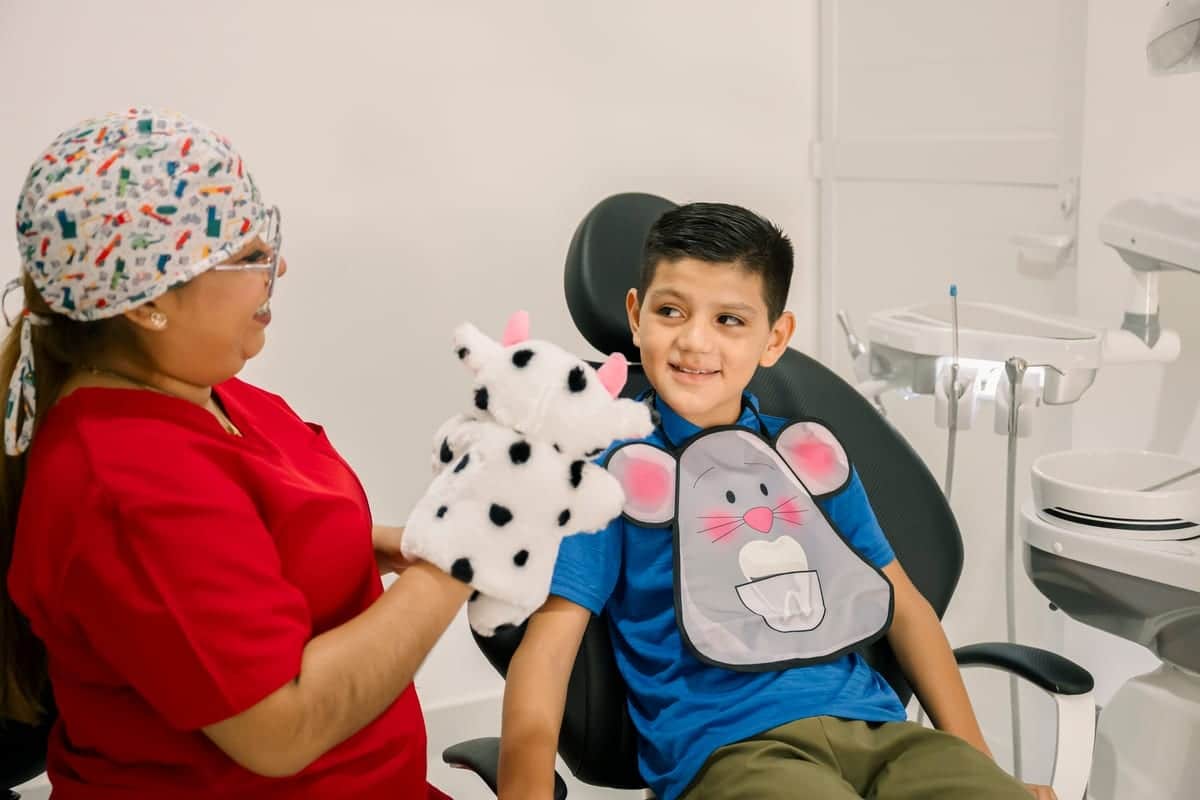
Cavities are the most common chronic childhood disease in the United States. The good news? Most cavities are completely preventable. This guide helps Midwest City parents stop cavities before they start — covering brushing technique, diet, fluoride, and dental sealants. Whether your child is a toddler or a teenager, the right habits make all the difference. Family Dentistry Midwest City starts with the basics, and so does this guide.
Why Cavity Prevention Starts Early in Midwest City
Many parents assume baby teeth don’t matter much. After all, they fall out, right? Actually, cavities in baby teeth can cause pain, infections, and long-term alignment problems. Healthy baby teeth hold space for permanent teeth to grow in properly. Starting prevention early protects your child’s smile for life.
Bacteria in the mouth feed on sugar and produce acid. That acid erodes tooth enamel and creates cavities. Children are especially vulnerable because their enamel is thinner than adult enamel. The earlier you build good habits, the less work those bacteria can do.
Here in Midwest City, Dr. Cliff Ferguson at Midwest Smiles sees children of all ages. He and his team focus on education first. When parents understand the why behind prevention, they’re far more likely to follow through at home.
Brushing Technique by Age: What Actually Works
Brushing technique changes as children grow. Using the right approach at each stage makes a big difference. Here’s a simple breakdown by age group:
- 0–2 years: Wipe gums with a clean, damp cloth. Once teeth appear, use a soft infant toothbrush with a rice-grain smear of fluoride toothpaste.
- 2–5 years: Use a pea-sized amount of fluoride toothpaste. Parents should brush for their child — don’t rely on kids to do it alone yet.
- 6–8 years: Supervise brushing closely. Children this age lack the fine motor skills for thorough brushing. Help them reach the back molars.
- 9+ years: Most children can brush independently, but spot-check regularly. Back teeth are still commonly missed.
Always use a soft-bristled toothbrush. Brush for a full two minutes, twice daily. Replace toothbrushes every three months or after illness. Electric toothbrushes can be great for kids who rush through brushing.
Flossing matters too. Begin flossing as soon as two teeth touch. For younger children, floss picks are easier to manage. Make it part of the nightly routine before bed.
Diet and Cavity Risk: What Your Child Eats Matters
Diet is one of the biggest factors in childhood cavity risk. Sugary and starchy foods feed the bacteria that cause decay. It’s not just about how much sugar your child eats — it’s also about how often. Frequent snacking keeps acid levels high all day long.
These foods and habits increase cavity risk:
- Juice, sports drinks, and soda — even 100% juice contains high sugar levels
- Sticky snacks like fruit snacks, gummy vitamins, and dried fruit
- Crackers, chips, and white bread, which break down into sugar
- Sipping on anything other than water between meals
- Putting babies to bed with a bottle of milk or juice
Water is the best drink for your child’s teeth. It rinses the mouth and contains no sugar. Many municipal water sources, including those in Midwest City, contain fluoride — which strengthens enamel naturally. Encourage water as the go-to drink between meals and snacks.
A well-balanced diet with fruits, vegetables, dairy, and lean proteins supports strong teeth. Cheese and yogurt are especially good — they’re high in calcium and help neutralize mouth acid.
Fluoride and Dental Sealants: Your Best Prevention Tools
Fluoride is one of the most effective cavity prevention tools available. It strengthens tooth enamel and can even reverse early decay. Most toothpastes contain fluoride, and professional fluoride treatments provide an extra layer of protection. Dr. Ferguson often recommends in-office fluoride applications at checkups for children at higher cavity risk.
Parents sometimes worry about fluoride safety. Research consistently shows that fluoride at recommended levels is safe and highly effective. The key is using the right amount at the right age — which is why a dental professional’s guidance matters.
Dental sealants are another powerful prevention tool. Sealants are thin, protective coatings painted onto the chewing surfaces of back teeth. Those deep grooves in molars trap food and bacteria — sealants seal them out. The application is painless and takes just minutes.
The American Academy of Pediatric Dentistry recommends sealants as soon as permanent molars come in — usually around ages 6 and 12. Studies show sealants reduce cavity risk in back teeth by nearly 80%. That’s a significant benefit for a quick, comfortable procedure. Ask Dr. Ferguson if sealants are right for your child.
When to Worry: Signs of Cavities in Children
Early cavities often show no symptoms at all. That’s why regular dental visits are so important. By the time a child complains of tooth pain, the cavity has likely progressed significantly. Catching decay early means simpler, less invasive treatment.
Watch for these warning signs between visits:
- White spots on teeth — these are early signs of enamel breakdown
- Sensitivity to sweet, hot, or cold foods
- Visible brown or black spots on teeth
- Complaints of tooth pain or soreness while chewing
- Swollen or red gums near a specific tooth
If you notice any of these signs, don’t wait for the next scheduled visit. Call Midwest Smiles promptly. Early treatment prevents pain, infection, and more complex procedures later. Emergency Dentistry is available for children experiencing sudden tooth pain or dental trauma.
Routine checkups every six months are the foundation of good prevention. These visits allow Dr. Ferguson to spot problems before they become serious. Professional cleanings also remove tartar that regular brushing can’t reach.
Building Habits That Last a Lifetime
Prevention isn’t a one-time event — it’s a daily habit. The routines your child builds now will shape their dental health for decades. Make brushing and flossing a consistent part of morning and bedtime routines. Keep it positive and turn it into a family activity when possible.
Lead by example. Children who see their parents brushing and flossing are more likely to embrace those habits themselves. Celebrate milestones — cavity-free checkups are worth acknowledging. Positive reinforcement goes a long way with kids of all ages.
Your family dentist is your strongest partner in this process. Dental Insurance Midwest City options can help make regular checkups accessible for the whole family. Consistent professional care, combined with strong home habits, gives your child the best possible foundation for lifelong oral health.
At Midwest Smiles, Dr. Cliff Ferguson and the team are proud to serve families across Midwest City, OK. We make dental visits comfortable, educational, and stress-free for children and parents alike. Book Now to schedule your appointment with our team.
Frequently Asked Questions
At what age should my child first visit the dentist?
The American Academy of Pediatric Dentistry recommends scheduling your child’s first dental visit by their first birthday or within six months of their first tooth appearing. Early visits help identify any concerns, establish good habits, and make children comfortable with dental care from a young age.
Is fluoride toothpaste safe for young children?
Yes, fluoride toothpaste is safe when used in age-appropriate amounts. Use a rice-grain smear for children under three and a pea-sized amount for ages three to six. Always supervise young children to ensure they spit rather than swallow the toothpaste.
How often should my child have dental checkups?
Most children benefit from dental checkups every six months. Some children with higher cavity risk may need more frequent visits. Dr. Ferguson will assess your child’s individual needs and recommend a schedule that makes the most sense for their oral health.
Do dental sealants hurt to apply?
No — dental sealants are completely painless. The procedure involves cleaning the tooth surface, applying a bonding agent, and painting on the sealant material. It takes just a few minutes per tooth and requires no drilling or numbing. Most children tolerate it easily.
What should I do if my child knocks out a tooth?
For a permanent tooth, keep it moist — store it in milk or between the child’s cheek and gum — and get to a dentist immediately. For a baby tooth, do not try to reimplant it, but still contact your dentist promptly. Time is critical for the best outcome with permanent teeth.