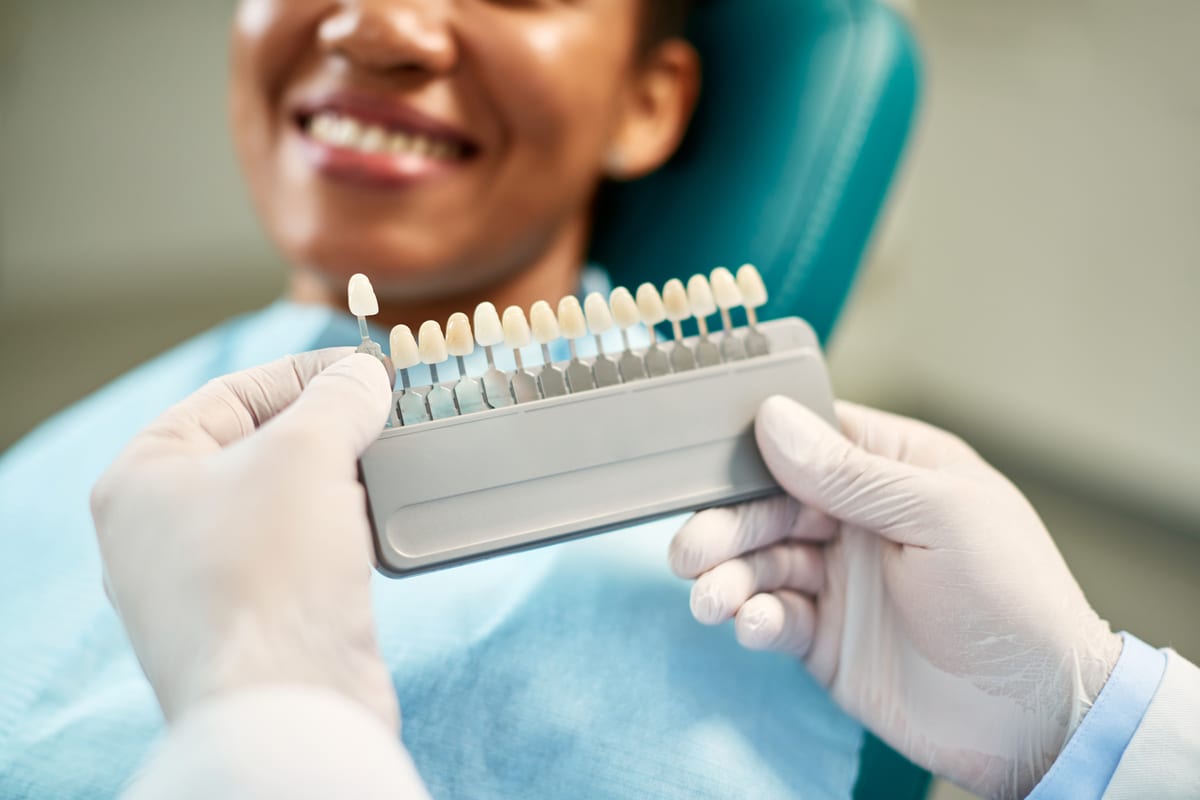


Teeth Whitening Midwest City: Separating Myths from Facts
Thinking about brightening your smile this season? Teeth whitening in Midwest City is one of the most requested cosmetic treatments we see at Midwest Smiles. With prom nights, graduation parties, and Mother’s Day celebrations filling up the calendar, it makes sense that so many people want to look their best. But there is also a lot of confusing information out there. This article breaks down the most common myths and replaces them with straightforward, honest facts.
Myth 1: Teeth Whitening Damages Your Enamel
This is one of the most common concerns we hear. Many patients worry that whitening treatments will wear away their enamel over time. The truth is that professional whitening products are carefully formulated to be safe for enamel when used correctly.
The active ingredients, typically hydrogen peroxide or carbamide peroxide, open the pores of the enamel temporarily. They lift stains from within the tooth structure without removing any enamel. Once the treatment is complete, enamel naturally remineralizes.
Overusing store-bought products without guidance is where damage can sometimes occur. That is why working with a dental professional like Dr. Cliff Ferguson makes such a difference. You get the right concentration for your specific teeth.
- Professional-grade whitening is tested for enamel safety
- At-home overuse of harsh strips can cause sensitivity
- Custom trays from your dentist reduce uneven exposure
- Your dentist monitors results and adjusts as needed
Myth 2: Teeth Whitening Works the Same for Everyone
It would be convenient if one treatment worked perfectly for every smile. Unfortunately, that is simply not how teeth work. The natural shade of your teeth, the type of staining, and even your tooth structure all affect your results.
Extrinsic stains, caused by coffee, tea, or red wine, tend to respond very well to whitening. Intrinsic stains, which come from inside the tooth, are much harder to lift with standard whitening alone. Certain stains from medications or fluorosis may not respond at all.
This is why a consultation matters so much before you begin any whitening treatment. Dr. Ferguson can evaluate your teeth and set realistic expectations. You deserve honest answers, not one-size-fits-all promises.
Myth 3: Sensitivity After Whitening Is a Sign Something Went Wrong
Tooth sensitivity after whitening is very common. Many patients experience it, and it does not mean your treatment failed or caused harm. Sensitivity happens because the whitening agent temporarily opens the enamel’s tubules, exposing the inner layer of the tooth.
This sensation usually fades within 24 to 72 hours after treatment. Using a toothpaste designed for sensitive teeth can help during this period. Avoiding extremely hot or cold foods right after whitening also reduces discomfort.
If you already have sensitive teeth before whitening, let Dr. Ferguson know ahead of time. There are gentler formulations and techniques that minimize sensitivity without sacrificing results. You do not have to choose between a brighter smile and comfort.
- Sensitivity typically resolves within one to three days
- Sensitivity toothpaste can ease post-treatment discomfort
- Lower-concentration gels work well for sensitive patients
- Spacing out treatment sessions reduces the intensity of sensitivity
Myth 4: Whitening Teeth Whitening Midwest City Strips Are Just as Effective as Professional Treatment
Over-the-counter whitening strips have improved over the years. They can produce noticeable results for mild surface staining. However, they simply cannot match the effectiveness of professional whitening for most patients.
Store-bought strips use lower concentrations of whitening agents. They are also one-size-fits-all, which means uneven coverage is common. Many patients finish a box of strips and still feel their smile is not as bright as they hoped.
Professional whitening at Midwest Smiles uses custom-fitted trays and higher-strength formulas. Results are faster, more even, and longer-lasting. For Midwest City residents preparing for big spring events, professional whitening is a much more reliable choice.
Myth 5: Whitening Results Last Forever
This myth sets many patients up for disappointment. Teeth whitening is not a permanent treatment. Results can last anywhere from several months to a couple of years, depending on your habits and lifestyle.
Consuming staining foods and drinks regularly will shorten your results. Smoking is one of the fastest ways to reverse whitening. Good oral hygiene and touch-up treatments help maintain your brighter smile over time.
Late spring in Midwest City is the perfect time to refresh your smile before a busy summer. Scheduling a whitening treatment now means your smile looks great through graduation season and beyond. Maintenance is simple when you have a dental team guiding you.
Want to know more about all the ways we care for smiles at our practice? Explore our full list of services to see everything we offer. From general care to cosmetic treatments, we are here for every stage of your dental health journey.
What to Expect at Your Whitening Appointment
Many patients feel nervous about their first whitening visit simply because they do not know what to expect. The process is straightforward and comfortable. Here is a general overview of what a professional whitening appointment looks like:
- Dr. Ferguson or a team member reviews your dental history and current tooth shade
- Your gums are protected with a barrier before the whitening gel is applied
- The whitening gel sits on your teeth for a set amount of time, often in short intervals
- Results are evaluated, and post-care instructions are provided
The entire appointment typically takes about an hour. Most patients leave with noticeably whiter teeth the same day. It is one of the most satisfying and straightforward cosmetic treatments available.
Curious about whether whitening is the right fit for your smile goals? We encourage you to reach out to our team with any questions before booking. We are happy to walk you through your options without any pressure.
Making an Informed Decision About Your Smile
Good dental decisions start with good information. Now that you have the facts about teeth whitening, you can approach the process with confidence. There is no need to let misinformation hold back a smile you feel great about.
At Midwest Smiles, Dr. Cliff Ferguson takes the time to educate every patient. We believe you should understand your treatment fully before you begin. That respect for your questions and concerns is at the heart of how we practice dentistry in Midwest City, OK.
Whether you are getting ready for a graduation party, a Mother’s Day brunch, or simply want to feel more confident in your daily life, a brighter smile is within reach. The facts are clear, and the process is safer and more accessible than most people realize. Book Now to schedule your appointment with our team.
Frequently Asked Questions
Is teeth whitening safe for everyone?
Most healthy adults are good candidates for teeth whitening. However, it is not recommended for children, pregnant women, or people with certain dental conditions. A consultation with Dr. Ferguson will help determine if whitening is right for you.
How long do professional whitening results typically last?
Results can last anywhere from six months to two years depending on your diet, oral hygiene habits, and lifestyle choices. Avoiding staining foods and drinks and scheduling occasional touch-up treatments helps maintain your results longer.
Will whitening work on crowns, veneers, or fillings?
Whitening agents only work on natural tooth enamel. They will not change the color of crowns, veneers, bonding, or fillings. If you have restorations in visible areas, Dr. Ferguson can discuss your options during a consultation.
How is professional whitening different from store-bought products?
Professional whitening uses higher-concentration gels and custom-fitted trays designed specifically for your teeth. This leads to more even, faster, and longer-lasting results compared to generic over-the-counter strips or trays.
Can I whiten my teeth if I have sensitive teeth?
Yes, in many cases. Dr. Ferguson can recommend lower-concentration formulas or desensitizing protocols that make whitening more comfortable for sensitive patients. Always disclose any existing sensitivity before beginning treatment.