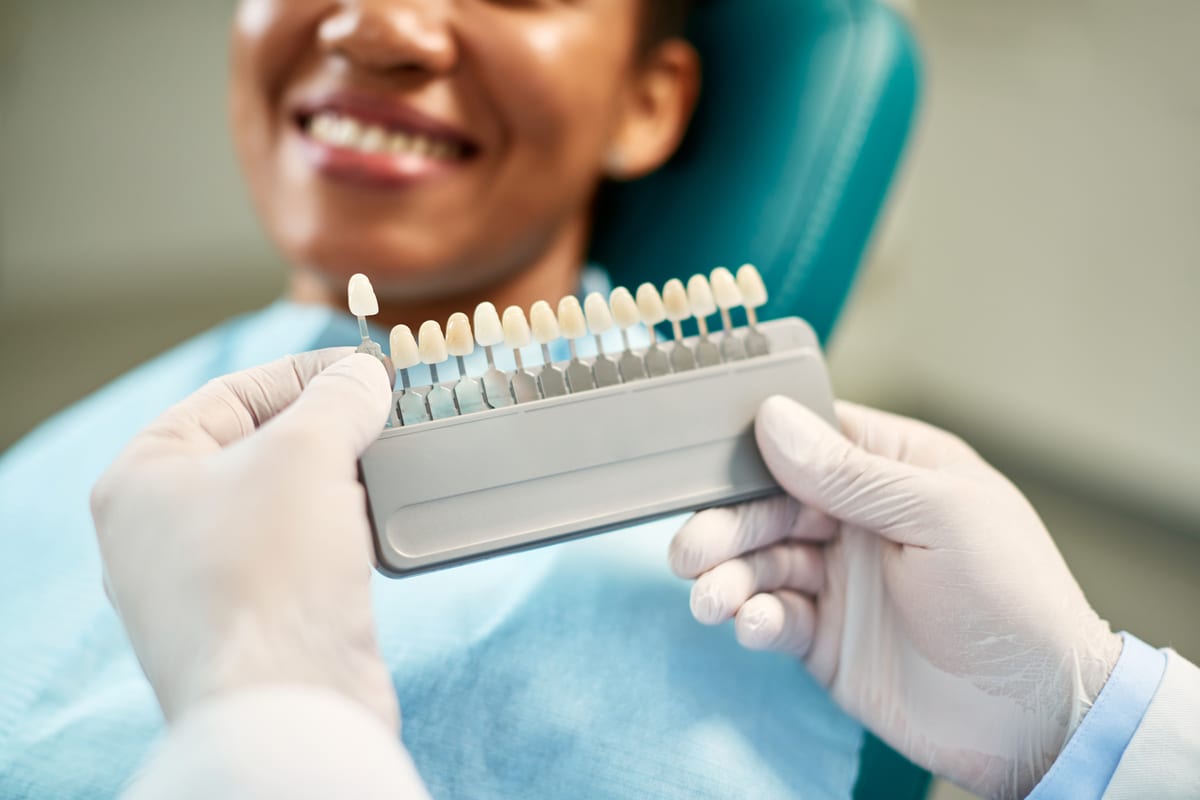



You just finished teeth whitening and your smile looks incredible. But fast-forward six months — and you might be wondering where that brightness went. What really happens to your whitening results after six months in Midwest City is a question Dr. Cliff Ferguson hears often at Midwest Smiles. The answer depends on your daily habits, your maintenance routine, and a few biological realities about how teeth absorb color over time.
Why Whitening Results Fade Over Time
Teeth whitening works by using peroxide-based agents to break apart stain molecules inside your enamel. The results are real — but they are not permanent. Your enamel is porous, and it continues absorbing pigment from food, drinks, and other sources every single day.
The rate of fading depends on the person. Some patients hold their results for close to a year. Others notice significant dulling within just a few months. Genetics, enamel thickness, and lifestyle all play a role in how quickly color returns.
Understanding the science helps set realistic expectations. Whitening is not a one-and-done treatment. It requires ongoing attention to keep your smile at its brightest.
The Everyday Habits That Shorten Whitening Results in Midwest City
Certain habits are major contributors to faster staining after whitening. Coffee is one of the biggest offenders. Its dark pigments and acidity make it easy for color to re-enter the enamel quickly. Even one cup a day can accelerate fading noticeably over six months.
Red wine works in a similar way. It contains tannins and chromogens that cling to enamel and deposit color deep into its surface. White wine is slightly less staining but still acidic enough to weaken enamel and make it more vulnerable.
Smoking is perhaps the most damaging habit for whitening longevity. Tobacco introduces tar and nicotine directly onto the tooth surface. These compounds stain quickly and deeply, often undoing whitening results within just a few weeks.
Other common staining culprits include:
- Dark sodas and energy drinks
- Tea, especially black and green varieties
- Soy sauce and balsamic vinegar
- Berries like blueberries and blackberries
- Tomato-based sauces
None of these foods need to be avoided forever. But being mindful of how often you consume them — and rinsing with water afterward — makes a real difference.
Practical Tips to Extend Your Whitening Results
The good news is that you have a lot of control over how long your results last. Small, consistent habits add up to significant protection for your whitened smile. Dr. Cliff Ferguson recommends several practical strategies for patients at Midwest Smiles.
Here are the most effective ways to maintain your results:
- Rinse with water immediately after consuming staining foods or drinks — this dilutes pigments before they settle
- Use a whitening toothpaste once or twice a week — it helps remove surface stains gently
- Drink coffee or tea through a straw — it reduces direct contact with your front teeth
- Brush twice daily and floss every day — clean teeth resist staining better than plaque-covered ones
- Schedule professional cleanings every six months — polishing removes accumulated surface stains
- Ask about take-home touch-up trays — a quick refresh every few months keeps results consistent
These habits work best when started immediately after your whitening treatment. The longer you wait, the more staining has a chance to take hold.
When to Consider a Touch-Up Treatment
Most patients benefit from a whitening touch-up every six to twelve months. The timing depends on how quickly your teeth restain and how white you want to keep them. Some patients come in for a quick refresh before a big event. Others maintain a regular schedule year-round.
At Midwest Smiles, Dr. Ferguson evaluates each patient individually. A touch-up might mean a brief in-office treatment or a short course with take-home trays. Either way, it is much simpler than starting from scratch.
If you also care for your family’s dental health, our Family Dentistry services make it easy to coordinate appointments for everyone under one roof. Managing whitening maintenance alongside regular checkups keeps the whole process efficient.
Patients sometimes ask about using over-the-counter whitening strips between appointments. These can help in moderation. However, overuse can cause sensitivity and uneven results. Always check with Dr. Ferguson before adding new whitening products to your routine.
Understanding the Role of Professional Care in Lasting Results
Professional teeth whitening delivers stronger, more even results than at-home products. That head start matters when it comes to longevity. Starting at a higher baseline means your smile stays noticeably bright for longer, even as some fading naturally occurs.
Regular professional cleanings also play a direct role in whitening maintenance. Hygienists remove surface staining that brushing alone cannot reach. That cleaning essentially resets the starting point before stains have a chance to go deeper into the enamel.
Many patients also find it helpful to understand their financial options when planning ongoing cosmetic care. Information about Dental Insurance and available plans can help you factor whitening touch-ups into your long-term dental care budget.
Pairing professional whitening with good daily habits creates a system that works. No single step does everything on its own. Together, they add up to a noticeably brighter smile that holds up far better over time.
Your Smile Six Months from Now Can Still Look Great
What really happens to your whitening results after six months in Midwest City does not have to be a story of disappointment. With the right habits and a maintenance plan from Dr. Cliff Ferguson, your results can remain impressive well beyond that six-month mark. The patients who see the longest-lasting results are the ones who stay consistent and proactive. If you are ready to protect your investment and keep your smile at its best, Book Now to schedule your appointment with our team.
Frequently Asked Questions
How long do teeth whitening results typically last?
Most professional whitening results last between six months and two years. The exact timeline depends on your diet, oral hygiene habits, and whether you use touch-up treatments. Patients who avoid heavy staining foods and maintain consistent brushing tend to see results on the longer end of that range.
Does coffee really affect whitening results that much?
Yes, coffee is one of the top contributors to post-whitening staining. Its combination of dark pigment and acidity makes it easy for color to re-enter porous enamel. Drinking through a straw and rinsing with water immediately after can help reduce its impact significantly.
Can I whiten my teeth too often?
Yes, over-whitening can cause tooth sensitivity and enamel damage over time. Most dentists recommend touch-up treatments no more than every six to twelve months. Dr. Ferguson will assess your specific situation and recommend a safe schedule based on your enamel health and whitening goals.
Are at-home whitening kits as effective as professional treatments?
At-home kits can maintain results but are generally less powerful than professional-grade whitening. They work best as a maintenance tool between professional treatments rather than as a primary whitening method. Always consult your dentist before starting any at-home whitening routine.
What is the best way to maintain whitening results long-term?
The most effective approach combines good daily brushing and flossing, limiting staining foods and drinks, using a whitening toothpaste occasionally, and scheduling regular professional cleanings. Periodic touch-up treatments at Midwest Smiles also help keep your results consistent and bright throughout the year.