

Many patients in Midwest City ask the same question before their first whitening treatment. Is professional teeth whitening safe for your enamel and gums in Midwest City? It is a smart question — and one that deserves a clear, honest answer. At Midwest Smiles, Dr. Cliff Ferguson believes every patient should understand exactly what whitening does to their teeth before sitting in the chair.
The short answer is yes — professional whitening is safe for most healthy adults. But there are important details about enamel, gum sensitivity, and patient eligibility that everyone should know. This article breaks it all down in plain language.
How Professional Teeth Whitening Works on Enamel
Professional whitening uses peroxide-based gels — typically hydrogen peroxide or carbamide peroxide. These gels penetrate the outer enamel layer and break apart stain molecules inside the tooth. The enamel itself is not removed or permanently altered by this process.
Many patients worry that whitening erodes enamel. Research shows that professionally supervised treatments, used correctly, do not cause measurable enamel loss. The key word here is professionally supervised. Overusing store-bought strips or applying gels incorrectly can increase risk.
At Midwest Smiles, whitening treatments follow clinically appropriate concentration levels. Dr. Ferguson recommends the right formula based on your enamel thickness and sensitivity history. That personalized approach is what separates professional care from generic drugstore products.
- Professional-grade gels are formulated to minimize enamel contact time
- Custom trays ensure even gel distribution and less gum exposure
- Fluoride treatments can be added to strengthen enamel after whitening
- In-office monitoring catches any sensitivity issues early
Gum Sensitivity and Safety During Whitening Treatments
Gum sensitivity is one of the most common side effects patients experience. Peroxide gel can irritate soft tissue if it contacts the gums directly. This is why proper application technique matters so much.
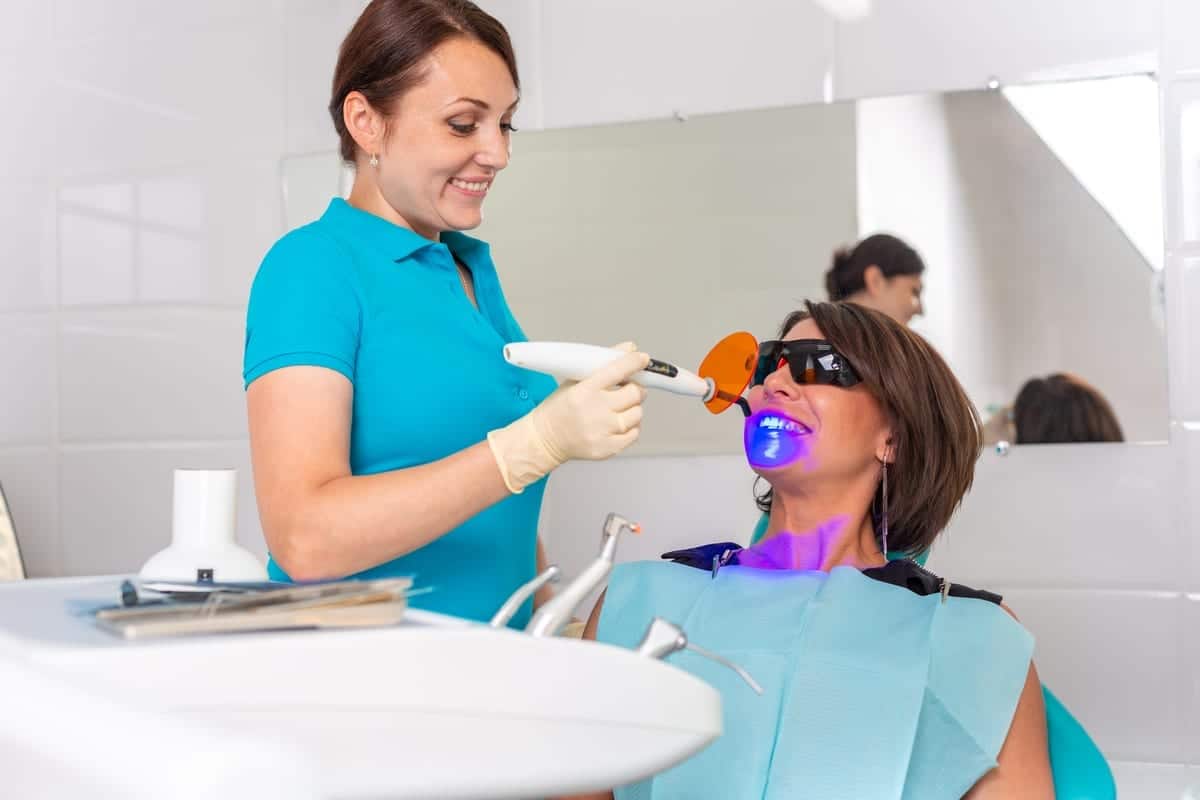
In-office whitening uses custom-fitted protective barriers to shield your gums. Take-home trays prescribed by Dr. Ferguson are also designed to fit your exact bite. This reduces the chance of gel overflow onto sensitive gum tissue.
Some patients notice mild gum tenderness during or after treatment. This typically resolves within 24 to 48 hours. Persistent pain or white patches on the gums are rare but should be reported to your dentist immediately.
Patients with existing gum disease or periodontal issues require extra caution. Whitening on inflamed or infected gum tissue can worsen discomfort and delay healing. Periodontal care should be completed before any whitening procedure begins.
- Custom trays reduce accidental gum contact with bleaching gel
- In-office barriers provide a protective layer over soft tissue
- Mild post-treatment sensitivity usually resolves within two days
- Patients with active gum disease should treat that condition first
Who Should Avoid Professional Teeth Whitening
Professional whitening is not appropriate for every patient. Knowing who should wait — or avoid it entirely — is just as important as knowing the benefits. Dr. Ferguson always conducts a full evaluation before recommending any whitening treatment.
Children and teenagers under 16 are generally not candidates for whitening. Their pulp chambers are still developing, which makes them more sensitive to peroxide. Family Dentistry patients with younger children should wait until teeth are fully mature.
Pregnant or breastfeeding patients are advised to postpone whitening. There is not enough research to confirm safety during pregnancy. The conservative approach is always to wait until after delivery and nursing are complete.
Other patients who may need to pause or skip whitening include:
- Those with untreated cavities or cracked teeth
- Patients with severe enamel erosion or exposed dentin
- Anyone with known peroxide sensitivity or allergies
- Patients with crowns, veneers, or bonding on front teeth — whitening does not change the color of restorations
A thorough dental exam before whitening is not optional — it is essential. It protects your health and ensures you get the best possible result.
Is Professional Whitening Safer Than Over-the-Counter Products?
Over-the-counter whitening strips and trays are widely available. They can produce results for some patients. But they come with real safety trade-offs compared to professional treatment.
Store-bought products use one-size-fits-all trays that do not seal properly against your teeth. This allows gel to leak onto gum tissue more easily. The concentration of peroxide is also less controlled, making it harder to predict outcomes.
Professional whitening through Midwest Smiles uses materials that meet clinical safety standards. The process is tailored to your specific oral health profile. Questions about Dental Insurance and whitening eligibility can also be addressed during your consultation.
Another key advantage is professional oversight. If sensitivity develops during treatment, your dentist can adjust the approach immediately. That level of responsiveness simply does not exist with a product purchased off a shelf.
What to Expect From a Safe Whitening Experience at Midwest Smiles
Dr. Cliff Ferguson takes a step-by-step approach to every whitening case. Safety checks happen at every stage — from the initial exam to the final result. Patients leave with clear aftercare instructions and access to follow-up support.
Here is what a typical professional whitening process looks like at Midwest Smiles:
- Comprehensive exam — Dr. Ferguson checks for cavities, gum health, and enamel condition
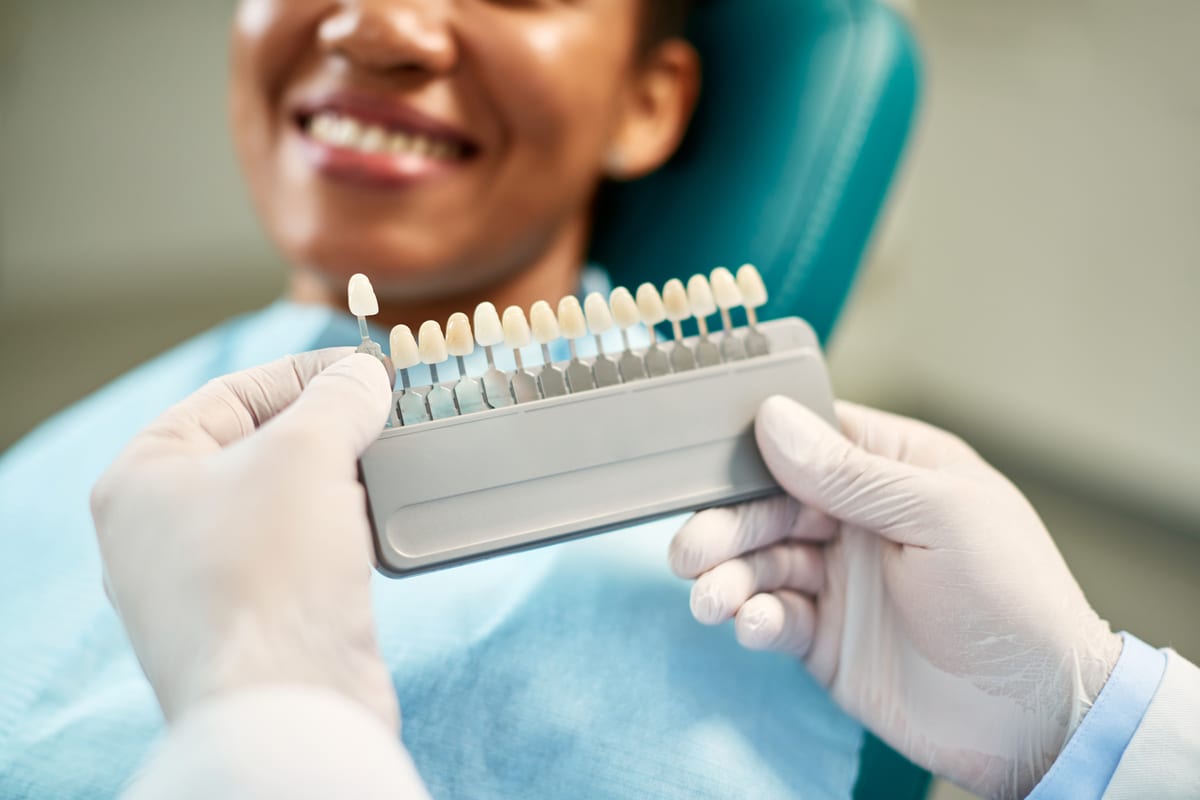
- Shade assessment — Your current tooth color is documented to track results accurately
- Treatment selection — In-office or take-home whitening is chosen based on your needs
- Application and monitoring — Gels are applied with protective measures in place
- Post-treatment care — Sensitivity management tips and follow-up guidance are provided
This structured approach is what makes professional whitening both effective and safe. Patients in Midwest City deserve that level of care from their dental team.
Conclusion: Making an Informed Whitening Decision in Midwest City
Professional teeth whitening is safe for most healthy adults when performed or supervised by a qualified dentist. Understanding the role of enamel protection, gum safety, and patient eligibility helps you make a confident, informed decision. Dr. Cliff Ferguson and the team at Midwest Smiles are committed to providing whitening treatments that prioritize your long-term oral health — not just short-term cosmetic results. Book Now to schedule your appointment with our team.
Frequently Asked Questions
Does professional teeth whitening damage enamel?
Research consistently shows that professionally supervised whitening does not cause measurable enamel damage when used correctly. The peroxide gel works on stain molecules inside the tooth without removing enamel structure. Overuse or misuse of whitening products — especially without dental supervision — is where enamel risk increases.
How long does gum sensitivity last after whitening?
Most patients experience mild gum tenderness that resolves within 24 to 48 hours after treatment. Using custom-fitted trays and professional-grade protective barriers significantly reduces gum contact with the bleaching gel. If sensitivity lasts longer than two days or feels severe, contact Dr. Ferguson’s office right away.
Can I whiten my teeth if I have crowns or veneers?
Whitening gels only affect natural tooth enamel — they do not change the color of crowns, veneers, or dental bonding. If you have visible restorations on your front teeth, whitening may create an uneven appearance. Dr. Ferguson will assess your smile during your exam and recommend the most appropriate approach.
Is at-home whitening from a dentist safer than store-bought strips?
Yes. Dentist-prescribed take-home whitening kits use custom trays that fit your teeth precisely. This reduces gel contact with gum tissue and delivers more even results. Store-bought strips use generic trays that often leak, which can irritate gums and produce inconsistent outcomes.
How often can I safely whiten my teeth?
Most patients can safely whiten once or twice per year with professional guidance. Whitening too frequently can increase tooth sensitivity and may wear down enamel over time. Dr. Ferguson will recommend a safe whitening schedule based on your specific enamel health and cosmetic goals.